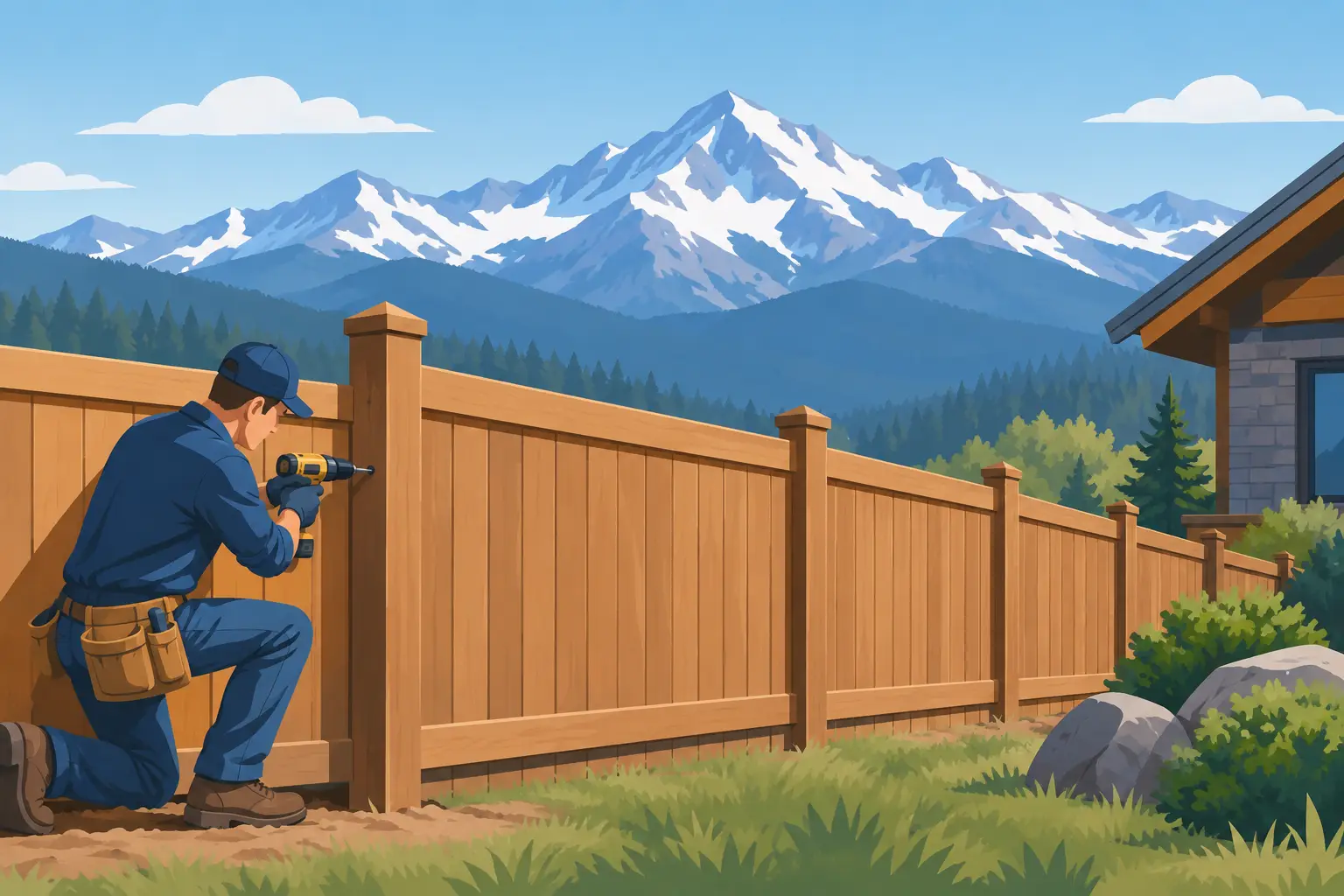
Fence Installation That Holds Up in Colorado

A new fence changes how a yard gets used right away. Dogs can run without a leash. Kids have a defined place to play. Neighbors feel a little farther away. But fence installation is not just a matter of setting posts and hanging panels. In Colorado, soil, wind, grade changes, drainage, snow, and sun all affect whether a fence still looks straight and works properly years from now.
The best projects begin with a clear purpose. A privacy fence around a Fort Collins backyard has different needs than a split rail fence along a rural property, and a gate used every day needs more planning than a fence line that simply marks a boundary. Getting those decisions right before construction starts helps protect your budget, your yard, and the people and pets who use it.
Start Fence Installation With the Job the Fence Must Do
Most homeowners want more than one thing from a fence. They may need privacy from a neighboring patio, a secure space for a new puppy, and an attractive border that suits the home. Still, it helps to identify the main priority first, because that priority should guide the material, height, layout, and gate design.
For privacy, wood and vinyl are common choices, while modern horizontal fencing can create a cleaner, more contemporary look. Wood gives homeowners flexibility in style and can work well with uneven lots. Vinyl offers a uniform appearance and less routine upkeep, although it may not be the right fit for every budget or wind-exposed location.
For containment and security, chain-link fencing is practical, durable, and often more cost-conscious for larger areas. Ornamental metal can provide a more finished appearance without closing off the view. On acreage and rural properties, split rail and agricultural fencing can establish a clear boundary while fitting the character of the land.
There is no single best material. The right choice depends on how the yard is used, the level of privacy needed, exposure to weather, maintenance expectations, and how long you plan to stay in the home.
Property Lines Come Before Posts
A fence that looks great in the wrong place is still a problem. Before work begins, confirm where the property line is located. Existing fences, old stakes, landscaping edges, and what a neighbor remembers are not always accurate indicators of the legal boundary.
If there is any uncertainty, a survey or a review of the property documents can prevent a difficult and expensive correction later. Homeowners should also check neighborhood association requirements, local height rules, and any utility easements that may cross the yard. These details can affect fence location, approved materials, and gate placement.
A respectful conversation with adjoining neighbors is often worthwhile, especially when the fence will be visible from both sides. You do not need permission for every project, but clear communication can prevent surprises and make the process easier for everyone.
Colorado Conditions Change the Construction Plan
Colorado is not one fence environment. A level yard on the plains can have hard, dry soil and steady wind. Foothill and mountain properties may have rocky ground, slopes, drainage channels, or large temperature swings. Even two homes a few miles apart can need different installation approaches.
Post depth matters because the posts carry the entire fence. A shallow post may look fine at first, then begin to lean after freeze-thaw cycles, wet soil, or repeated wind pressure. Properly planned footings, sound post spacing, and the right materials give the fence its backbone.
Drainage deserves the same attention. Water should move away from the home and should not be trapped against the bottom of a wood fence. On sloped ground, installers may use stepped sections or follow the grade, depending on the fence style and the amount of elevation change. Following the ground can look more natural, while stepping can create straighter horizontal lines. Each approach has trade-offs in appearance, coverage, and cost.
Wind is another practical concern. A solid privacy fence catches more wind than an open rail or chain-link fence. That does not mean a solid fence is a poor choice. It means the posts, footings, framing, and layout need to be built for the conditions rather than treated as an afterthought.
Choose a Gate Like You Expect to Use It
Gates take more daily wear than any other part of a fence. A side gate that opens several times a day for trash bins, lawn equipment, or dog walks needs strong posts, dependable hinges, and enough clearance to move freely as seasons change.
Think through the width before construction begins. A three-foot walk gate may be enough for people, but it will not accommodate a mower, wheelbarrow, or snow blower comfortably. A wider gate can make yard work easier, while a double drive gate may be necessary for vehicle access. Larger gates need more support, so they should be designed as part of the overall fence plan instead of added later.
Latches also matter for family safety. A secure, easy-to-use latch helps keep pets inside and helps prevent small children from opening a gate unexpectedly. If the gate will be used after dark, consider how lighting, paths, and snow buildup will affect access.
What a Well-Run Installation Looks Like
Good fence installation should feel organized, even when the work is substantial. The crew should review the layout, identify gate locations, and address site conditions before digging begins. Underground utilities must be located before post holes are dug. Landscaping, irrigation lines, and hardscape edges should also be discussed so there are fewer surprises during the job.
Once posts are set, the fence needs time and careful measurement before rails, panels, pickets, or wire are installed. Rushing this stage can create uneven lines, sagging gates, or inconsistent spacing that becomes more noticeable every time you look out the window.
Clean work matters, too. A fencing project can disrupt a yard, but it should not leave the property looking abandoned. Excess material, old fence debris, and construction waste should be handled responsibly, and the crew should leave the space safe for your family to use.
At AR Fencing, the goal is straightforward: build a fence that fits the property, communicate clearly during the work, and leave homeowners with a yard that feels protected again.
Questions Worth Asking Before You Hire
Price matters, but the lowest number is not always the best value. A quote should make it clear what material is being used, how many gates are included, whether old fencing will be removed, and what site conditions could affect the final work.
Ask how deep posts will be set, how the contractor handles slopes and drainage, and how gate posts will be reinforced. If your property has rocky soil, a tight access area, or a grade change, ask specifically how those conditions will be addressed. A contractor with local field experience should be able to explain the plan in plain language.
It is also fair to ask about communication. Know who your point of contact will be, when work is expected to begin, and how changes are handled if an unexpected issue appears underground or along the property line. Clear answers early make for a better project later.
Help Your New Fence Last Longer
After installation, give the fence some attention instead of waiting for a problem to develop. Walk the line after major storms, especially during the first year. Check that gates close cleanly, latches work, and no soil has washed away around posts.
Keep sprinklers from constantly soaking wood sections, and avoid piling mulch or soil against the bottom of the fence. Trim vines and shrubs that hold moisture against materials or push on panels. With chain-link or ornamental metal, inspect hardware and gate hinges occasionally. Small adjustments are easier and less expensive than waiting for a gate to sag or a loose section to worsen.
A fence is one of the few home projects that works every day without asking for much attention. Built with the right plan, materials, and workmanship, it gives your family a safer place to live outside, one ordinary backyard moment at a time.
Comments