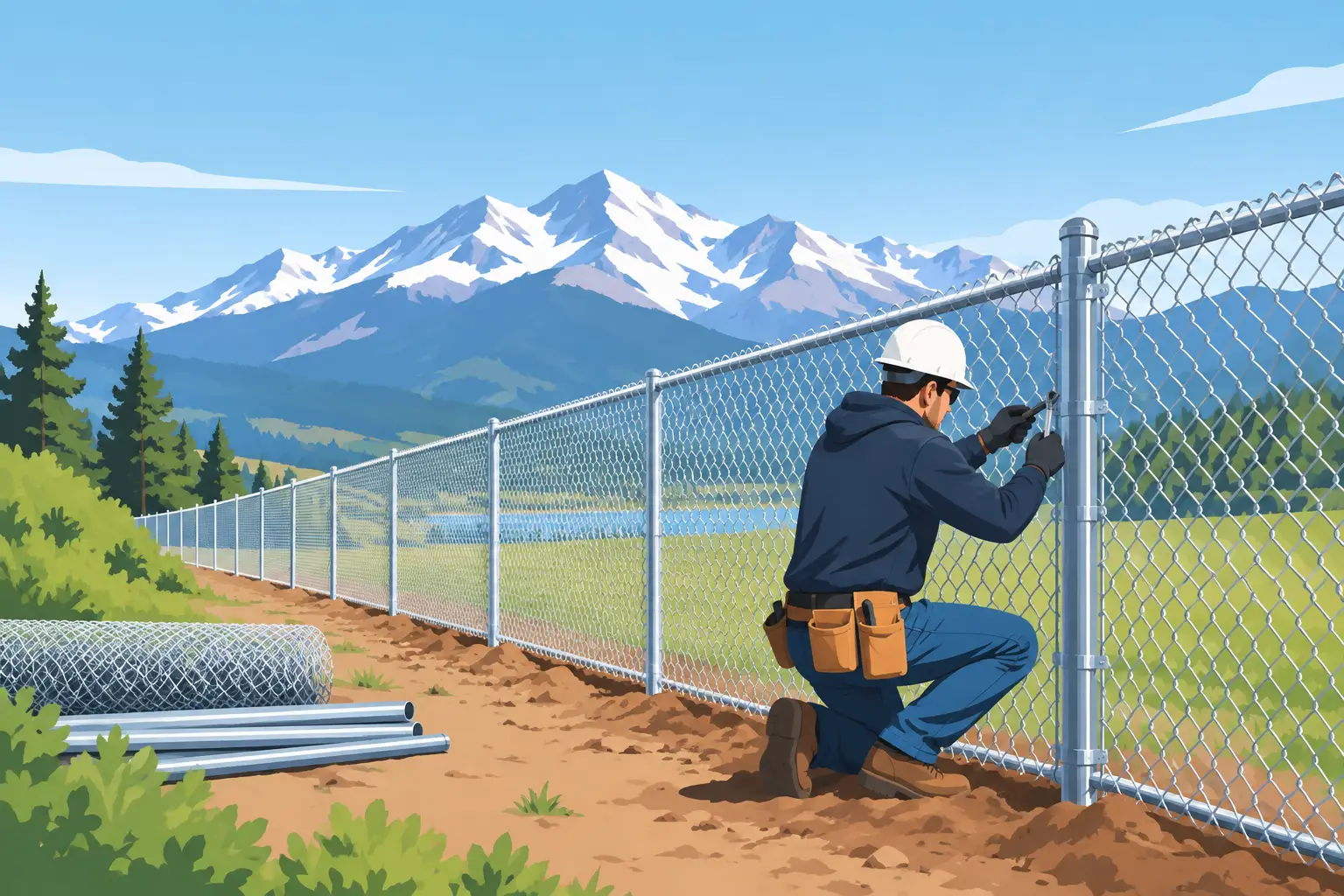
Chain Link Fence Installation in Colorado

A chain link fence does not have to be a temporary-looking boundary or a compromise on safety. Done right, it is one of the most practical ways to contain dogs, protect a play yard, define a property line, or secure a larger rural lot. Chain link fence installation Colorado homeowners can rely on starts with the ground beneath it, the purpose of the fence, and the people or animals it needs to protect.
Colorado puts fences through more than a few tests. Front Range clay can hold water and move with freeze-thaw cycles. Rocky ground can slow digging. Wind loads matter on open lots, and a sloped backyard can create gaps a determined dog will find quickly. The fence fabric is only part of the job. The posts, concrete footings, tension, gates, and layout determine whether the fence stays straight and useful for years.
Start With What the Fence Needs to Do
The right chain link fence begins with a clear job. For many families, that job is simple: give kids a defined place to play and give pets room to run without worrying about a street, alley, or neighboring yard. For a property manager, it may mean separating common areas, protecting equipment, or creating secure access. On acreage, chain link can help create a dependable kennel, garden enclosure, or smaller containment area near the home.
Height should match that purpose. A 4-foot fence may work well around a garden or for smaller, calm dogs. A 5- or 6-foot fence is often a better fit for active dogs, privacy screening plans, or a backyard that borders a busy area. If a dog climbs, jumps, or digs, the solution may involve more than making the fence taller. A properly fitted bottom rail, tighter clearance at the ground, or an inward-facing extension can make a meaningful difference.
It also helps to think about visibility. Standard galvanized chain link is economical and proven. Black vinyl-coated chain link costs more, but it tends to blend into landscaping and can look less industrial around a home. Neither choice is automatically better. The best option depends on budget, visibility from the house and street, and how long you expect the fence to serve the property.
Chain Link Fence Installation in Colorado Starts Below Grade
Posts carry the load of a chain link fence. When posts are too shallow, too lightly set, or poorly aligned, the fabric can sag, gates can drag, and sections can lean after a hard winter. A crew should account for fence height, wind exposure, soil conditions, and the placement of gates before concrete is mixed.
Corner posts, end posts, and gate posts require particular attention because they take the tension of the stretched fabric. These are not places to cut corners. Strong terminal posts and correctly installed braces keep the fence tight rather than allowing it to pull inward over time.
Colorado soil changes from one neighborhood to the next. A yard in Fort Collins may present very different digging conditions than a foothill property near Boulder or a newer development farther south. In some locations, crews encounter expansive clay. In others, they hit rock, old construction debris, irrigation lines, or roots. A site visit helps identify those conditions before the work starts, rather than turning surprises into rushed decisions halfway through the installation.
Drainage matters, too. Water should move through the yard without repeatedly pooling around posts or washing soil away beneath the fence. A chain link fence can follow the contour of the ground, but it should not be installed in a way that blocks a drainage path or leaves large openings below the fabric.
Layout, Property Lines, and Permits
A fence can be built straight and still be in the wrong place. Before installation, confirm where the property line is and review any recorded easements, neighborhood requirements, or local rules that apply to your lot. Existing fence lines are not always accurate boundaries, especially in older neighborhoods where fences may have been replaced more than once.
If the exact line is uncertain, a survey is the safest way to avoid a dispute. This is especially valuable when a fence will run close to a neighbor's driveway, landscaping, utility equipment, or an undeveloped lot. A quick conversation with the neighbor can also prevent misunderstandings about access and the finished appearance of the fence.
Permitting requirements vary by municipality and project type. Height limits, corner-lot sightlines, pool barriers, and gate latches may be regulated differently than a basic backyard fence. Homeowners associations may have their own standards for height, color, and placement. Taking care of these details before materials arrive protects the project schedule and avoids the cost of changing a finished fence.
Call for utility locating before any post holes are dug. Buried gas, electric, communications, irrigation, and other lines are not always where a homeowner expects them to be. Markings are a necessary part of safe preparation, not an optional delay.
Gates Are Where Daily Use Shows Up
A gate is the part of the fence you use every day, so it deserves more thought than an opening squeezed into the remaining space. Consider what needs to pass through it: a person with a mower, a trash bin, a trailer, a work truck, or a riding mower. A narrow walk gate may be enough for one side of a yard, while a wider double gate can save a great deal of hassle on the other.
Gate posts need the strength to support repeated opening and closing without shifting. The gate should swing freely, latch securely, and sit at a practical height above the ground. On a sloped yard, that may require a different layout or gate arrangement to prevent scraping and avoid a gap large enough for a pet to slip through.
For families with young children, gate placement and latching deserve extra attention. A self-closing or self-latching setup may be appropriate in certain situations, particularly around pools or areas that need controlled access. The right choice depends on the site and applicable local requirements.
When Chain Link Is the Smart Choice
Chain link is often selected because it provides security and containment at a cost that can be more manageable than many privacy-fence materials. It lets light and airflow move through the yard, does not require regular staining, and is well suited to irregular terrain. Repairs can also be more straightforward when damage is limited to a section of fabric, a rail, or a gate component.
The trade-off is privacy. If your goal is to block views from neighboring homes, a wood privacy fence, vinyl fence, or modern horizontal design may be a better long-term fit. Privacy slats can be added to chain link, but they add wind resistance and change the look of the fence. They should be considered during planning, not treated as an afterthought.
Chain link also makes sense when you want to secure an area without closing off the view of open land, mountains, or a carefully maintained landscape. Black-coated fabric and matching rails can be especially effective in these settings because the fence visually recedes more than bright galvanized steel.
What a Careful Installation Process Looks Like
Good fence work should feel organized from the first layout marks to the final cleanup. The crew should confirm the line, locate gate openings, set terminal posts correctly, and allow footings to support the structure before applying full tension to the fabric. Fabric should be stretched evenly, secured to rails and posts, and finished without sharp or loose edges that could catch clothing, paws, or hands.
A clean job site matters as much as a straight fence. Leftover wire ends, concrete debris, packaging, and excavated soil do not belong scattered across a family yard. Before a contractor leaves, walk the project together. Open every gate, check the latches, look along the fence line, and make sure the finished enclosure works the way your household needs it to work.
AR Fencing brings more than 10 years of hands-on Colorado field experience to that process, with straightforward pricing, clear communication, and a five-year workmanship warranty. That local experience matters when the project involves a steep grade, difficult soil, a large gate opening, or a yard where pets cannot wait weeks to be safely contained again.
Plan for the Yard You Will Use Next Year
The best chain link fence is not simply the least expensive fence installed this week. It is the one that still works after a wet spring, a windy afternoon, a new puppy, a bigger mower, or a change in how your family uses the yard. Think ahead about gates, access, landscaping, and whether you may add a shed, garden, play set, or kennel later.
A properly planned fence gives a home a clear, secure edge without making daily life harder. When the posts are set right, the gates work smoothly, and the layout respects the property, the result is simple: a safer yard where kids can play, pets can move freely, and you can spend more time enjoying home.
Comments