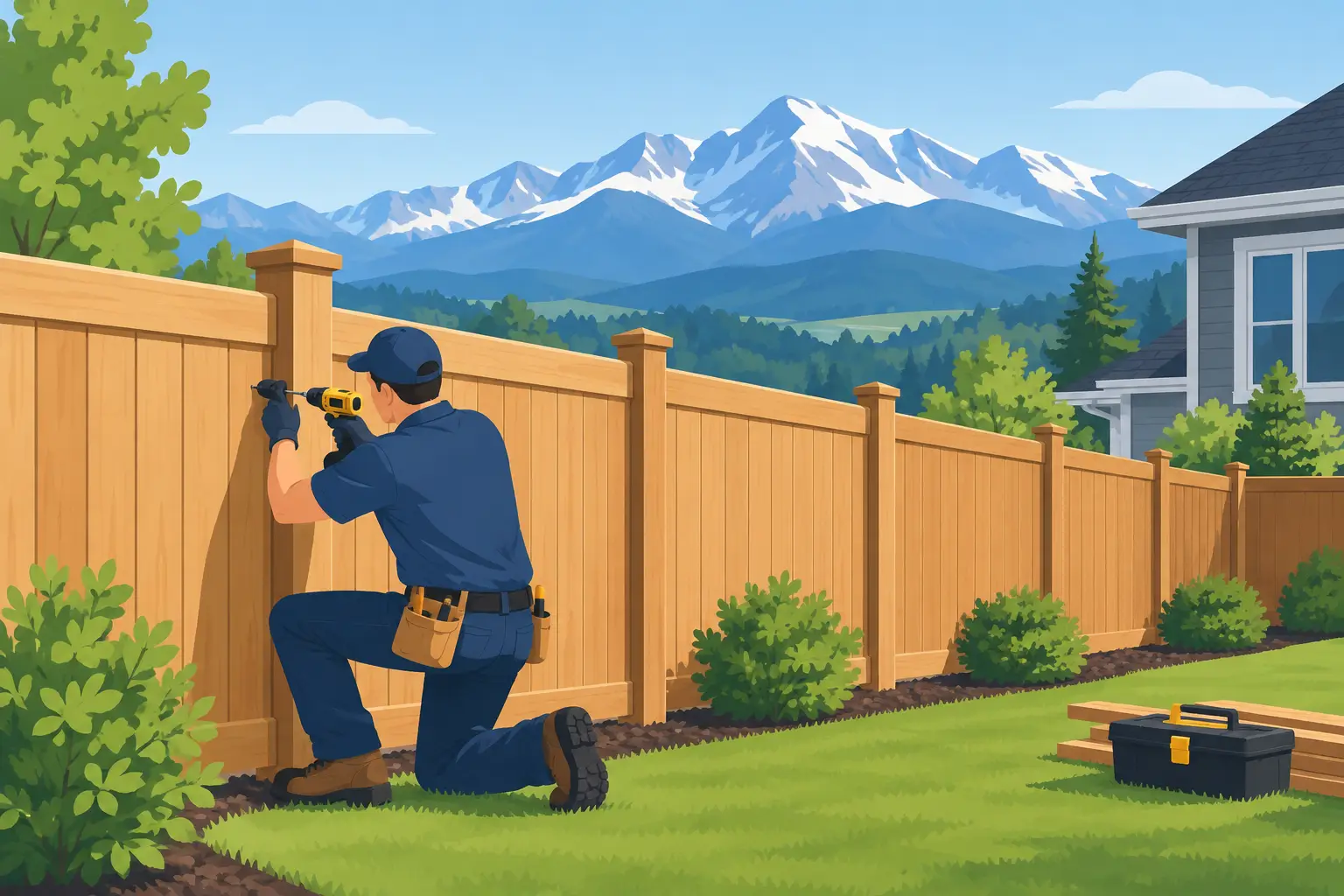
Fence Installation Colorado Homeowners Can Trust

A fence has to do more than look good on installation day. It needs to hold its line through hard wind, shifting soil, spring moisture, dry summer heat, and the daily work of keeping kids and pets safely in the yard. That is what makes fence installation Colorado homeowners can rely on a different kind of project than simply picking panels from a catalog.
A well-built fence creates a private place to relax, a clear boundary between neighbors, and a safer space for the people and animals you care about. The right choice depends on your property, how you use the yard, and the conditions beneath your feet. Here is what to consider before construction begins.
Fence Installation Colorado Starts Below Ground
Most fence problems begin where homeowners cannot see them. A leaning post, sagging gate, or uneven line may show up years later, but the cause is often poor post setting, weak spacing, or a crew that did not account for the soil and grade.
Colorado properties can vary dramatically from one neighborhood to the next. Front Range clay can expand and contract with moisture. Rocky ground can slow digging and make proper placement more challenging. Mountain properties may have steeper grades, while open plains properties can take the full force of wind. A fence should be planned around those realities rather than installed with a one-size-fits-all approach.
Post depth, footing size, material selection, and bracing all matter. Taller privacy fencing catches more wind than an open split rail fence. A wide double gate puts more stress on its posts than a simple walk gate. On a sloped yard, the fence may need to follow the terrain or step down in sections, depending on the style and the amount of grade change.
Good installation is not about making every job complicated. It is about recognizing the details that affect how that particular fence will perform.
Start With the Job Your Fence Needs to Do
The best fence is rarely the same for every yard. Before settling on a material or style, be clear about the problem you want the fence to solve.
For a family with an active dog, full enclosure and a dependable gate latch may be the top priorities. For a homeowner close to neighboring houses, privacy and visual separation may matter most. A rural property owner may need an agricultural fence that helps manage livestock, access points, and larger property lines. Property managers often need a durable, practical solution that looks clean and holds up to frequent use.
Privacy, security, appearance, maintenance, and budget all pull in different directions. A solid cedar privacy fence offers a warm, traditional look and strong screening, but it needs thoughtful construction to handle Colorado weather. Vinyl can provide a clean, low-maintenance appearance, though it may not be the best fit for every windy or irregular site. Ornamental metal adds curb appeal and visibility, while chain-link is often a practical choice for pet containment and larger enclosures.
There is no need to force a single style across the entire property, either. A backyard may call for privacy fencing, while the front or side yard may look better with ornamental metal, split rail, or a more open design.
Wood Privacy Fencing
Wood remains a popular choice because it feels at home in many Colorado neighborhoods and can be customized in height, layout, and finish. It is a strong option when privacy is the main goal. The difference comes down to the framing, posts, fasteners, gate construction, and attention paid to the ground conditions.
A wood fence also gives homeowners flexibility. You can choose a traditional vertical layout, decorative top details, or a more contemporary horizontal design. If your yard is exposed to wind, that design conversation should include how the fence will be supported, not just how it will look from the patio.
Modern Horizontal Fencing
Horizontal fencing has a clean, modern profile that works especially well with newer homes and updated landscapes. It can make a small yard feel wider and give a property a more finished look. Because long horizontal boards create a distinct visual line, careful layout is essential on uneven terrain.
This style is often worth the added planning when appearance is a major part of the project. It should still be built with the same practical focus on solid posts, stable framing, and gates that work smoothly after seasons of use.
Chain-Link, Split Rail, and Agricultural Fencing
Open-style fencing can be the right call when containment matters more than total privacy. Chain-link is durable, straightforward, and useful for pets, side yards, rentals, and larger areas. Privacy slats can change its appearance, but they also increase wind load, which should be considered before adding them.
Split rail fits naturally on larger lots and properties where homeowners want to define a boundary without closing off the view. Agricultural fencing is built around a different set of needs, including livestock, access, terrain, and the size of the area being enclosed. These jobs benefit from a contractor who understands that a fence line across open ground has different demands than a suburban backyard.
Gates Deserve More Attention Than They Get
A gate is the moving part of your fence, which makes it one of the first places poor construction becomes obvious. If it drags, sticks, will not latch, or starts pulling its post out of line, the whole fence becomes less useful.
Think through how each gate will be used. A walk gate for taking out the trash has different needs than a double gate for a trailer, mower, or RV access. Families with small children may want self-closing or secure-latching options. Pet owners need openings sized and placed to prevent easy escapes.
A properly planned gate needs adequate clearance, strong hinge posts, and hardware that matches its weight and frequency of use. It is easier and more cost-effective to build the right access into the plan than to cut apart a completed fence later.
Plan for Boundaries, Rules, and Utilities Before Work Begins
A fence can be beautifully built and still create trouble if it is placed in the wrong spot. Property lines, easements, neighborhood rules, local requirements, and buried utilities should be addressed before holes are dug.
Do not assume an old fence marks the true boundary. In some cases, it may sit inside the property line, outside it, or follow an arrangement made by previous owners. If the boundary is unclear, getting accurate information early can prevent a costly dispute later.
Homeowners associations may have rules about height, material, color, or the side of the lot where a fence can begin. Some cities and counties also have requirements that affect corner lots, pool barriers, and visibility near driveways. A knowledgeable contractor can help flag the questions to ask, but final approvals and boundary confirmation are worth handling before scheduling installation.
Utility locating is just as important. Underground lines are not always where homeowners expect them to be. Safe work starts with proper locating and a plan for any marked areas.
What a Respectful Installation Should Feel Like
Fence construction is disruptive for a short time. There will be digging, material deliveries, tools, and open sections of yard while the work is underway. For families with pets or young children, clear communication helps make that process much easier.
A dependable crew should explain the schedule, confirm the layout, keep the work area as orderly as possible, and let you know if site conditions call for a change. Clean job sites and direct answers are not extras. They are part of respecting the home you worked hard to build.
At AR Fencing, the goal is to make that process straightforward, from the estimate and material discussion through final cleanup. More than 10 years of hands-on Colorado field experience has taught us that the small decisions matter: where a gate swings, how a fence meets a slope, and how a line is braced against weather.
Get a Fence That Fits the Way You Live
Price matters, and a fair estimate should be clear about what is being built. But the lowest number is not always the best value if it leaves out proper site preparation, strong gate posts, quality materials, or the time needed to build the fence correctly. Ask what is included, how the crew will handle your terrain, and what workmanship coverage comes with the installation.
The right fence should feel like it belongs there. It should give your dog room to run, give your family more privacy, and let you enjoy the backyard without worrying about a loose gate or a weak fence line. When the planning is honest and the construction is done right, your yard becomes easier to live in every day.
Comments