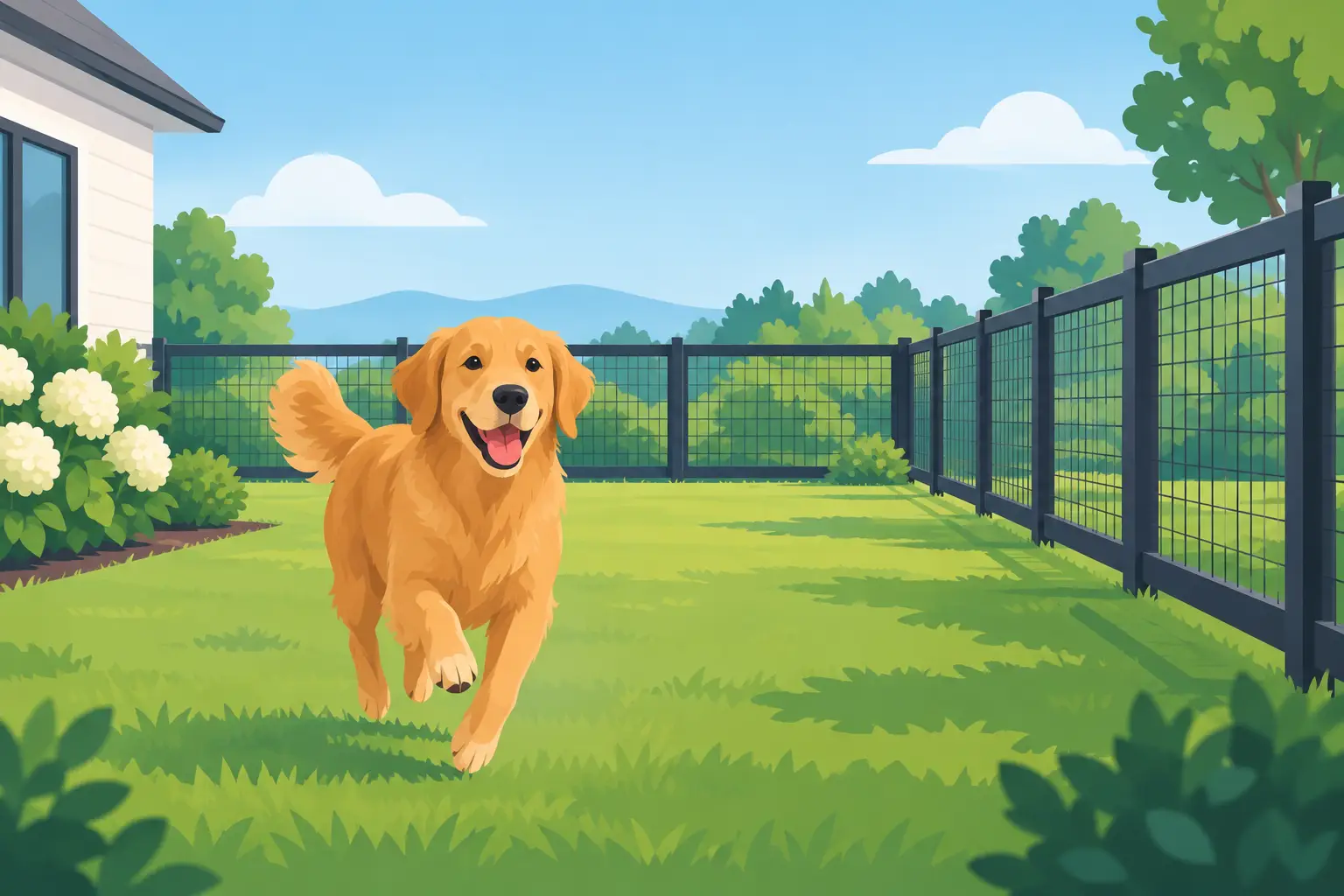
Best Fence for Dogs Backyard Safety and Freedom

A fence that looks great from the street can still be the wrong choice for a dog that digs, climbs, squeezes through gaps, or charges the gate when a squirrel runs by. The best fence for dogs backyard safety is the one built around your dog's actual behavior, not just the style you like best. It also needs to hold up through Colorado wind, snow, sun, shifting soil, and the everyday wear of family life.
For some households, that means a tall wood privacy fence where a reactive dog cannot see passing people and dogs. For others, a properly installed chain-link fence is the sensible, budget-friendly answer. The right decision comes down to containment, visibility, maintenance, terrain, and how you use the rest of your yard.
Start With Your Dog, Not the Fence Style
Before comparing materials, take an honest look at what your dog does outside. A calm, small dog with good recall needs a different setup than a young German Shepherd that patrols the property line. Fence height matters, but it is only one part of keeping a backyard secure.
A dog that jumps may need a 6-foot fence, even if local rules allow something shorter. A determined climber can use horizontal rails, wire mesh, stacked firewood, or nearby landscaping as a foothold. In that case, a privacy fence with smooth interior faces may work better than a design with obvious climbing points.
Diggers need attention at ground level. A fence can be strong from post to post and still fail if there is a gap beneath it. Dogs often start digging where the soil is soft, along a gate line, or where they can see movement on the other side. Depending on the dog and site, solutions may include extending material below grade, adding a buried dig barrier, or grading the yard so the fence follows the ground closely.
If your dog is reactive, seeing every walker, delivery truck, and neighborhood dog can turn the yard into a stressful patrol zone. A solid fence often reduces that trigger. It will not replace training, but it can give your dog a calmer place to play and give your neighbors a quieter afternoon.
Best Fence for Dogs Backyard: Material Options
There is no single best material for every home. Each type has a clear place, and each comes with trade-offs worth understanding before installation begins.
Wood privacy fencing
Wood privacy fencing is often the best fit for families who want both dog containment and a more private backyard. A 6-foot wood fence creates a visual barrier, helps limit distractions, and gives children and pets a defined area to play. It also works well when neighboring yards are close together.
The trade-off is maintenance. Colorado's dry sun, freeze-thaw cycles, and changing moisture levels can age wood over time. Quality posts, proper installation depth, spacing at the bottom, and regular care make a major difference. For dogs, pay close attention to loose pickets, damaged lower rails, and any gap that grows as soil settles.
Wood also offers flexibility. A custom-built fence can step with a sloped yard, include a stronger gate area, or use a layout that keeps the smoother side facing your dog. That is useful for yards that are anything but flat and square.
Vinyl fencing
Vinyl fencing offers a clean, solid look with less routine upkeep than wood. It is a good choice for homeowners who want privacy and containment without planning to stain or paint a fence. Solid vinyl panels can also reduce visual triggers for dogs.
That said, vinyl is not automatically the toughest choice for every dog. A large dog repeatedly throwing its weight against a gate or panel can stress the system, especially if it was not installed with the right reinforcement. Vinyl can also be less forgiving in unusual layouts or steep, uneven terrain. A well-planned installation matters more than the material brochure.
Chain-link fencing
Chain-link is one of the most practical dog fences available. It is durable, visible, cost-conscious, and especially useful for large yards, side runs, and rural properties. It lets dogs see out, which is a benefit for some calm dogs and a drawback for others.
For a dog that is content to lounge in the sun and watch the world, chain-link can be an excellent long-term solution. For a dog that fence-runs or barks at every passerby, it may add stimulation instead of reducing it. Privacy slats or landscape screening can help in some cases, but they should not be treated as a substitute for a properly built fence.
The details matter here. The mesh needs to be secured at the bottom, terminal posts need to be set correctly, and gates need dependable latches. Small dogs may be able to slip through larger mesh openings, while athletic dogs may need additional measures to prevent climbing or digging.
Ornamental metal fencing
Ornamental metal fencing brings a refined look and strong perimeter definition. It is a natural choice where curb appeal, open views, and a more formal property style matter. It can work well for dogs that do not climb, squeeze, or react strongly to outside activity.
Spacing between pickets is the key question. A small dog may fit through an opening that looks perfectly reasonable to an adult standing nearby. Metal fencing also leaves sightlines open, so it is usually a better match for calm dogs than for dogs that get worked up by movement beyond the property line.
Split rail and agricultural fencing
Split rail and agricultural styles fit Colorado acreage, open views, and country properties, but they are not always dog-proof on their own. They can become effective containment fencing when paired with properly tensioned wire or mesh selected for the size and behavior of your dog.
This option deserves careful planning. A large rural property may call for a different approach than a compact neighborhood backyard. You may want a secure dog run near the house while using agricultural fencing for broader property boundaries. That gives your dog a protected everyday space without changing the character of the entire property.
Height, Gates, and Ground Clearance Matter More Than You Think
A fence material is only as effective as its weak points. For many dogs, the gate is the first place to inspect. Gates see more use, get pulled and pushed, and can sag when hardware or posts are not up to the job. A dependable latch should be difficult for a dog to nose open and easy for adults to operate without leaving the gate unsecured.
Choose height based on your dog's jumping ability, not just its size. Some medium-size dogs can clear a 4-foot fence with little effort. Six feet is a common choice for active or larger dogs, but a tall fence alone will not stop a climber with footholds or a digger with loose soil at the base.
Walk the perimeter before construction and look for grade changes. A sloped backyard can leave triangular gaps under a straight fence line. Those gaps may seem minor on installation day, then become a clear exit route after a few weeks of pawing. Good layout and grading decisions are part of dog safety, not cosmetic extras.
Plan for Colorado Weather and Yard Conditions
Northern Colorado and Front Range yards can deal with strong wind, heavy spring moisture, dry summer ground, snow load, and soil that changes from one neighborhood to the next. Fence posts need to be set for the conditions on your property, not treated as a one-size-fits-all detail.
Wind is particularly hard on solid privacy fencing because panels catch more force than open fencing. Proper post spacing, sound construction, and thoughtful material selection help the fence stay straight and secure. On exposed lots, an open-style fence may be the more practical choice, provided it still works for your dog's temperament.
Irrigation is another overlooked factor. Constant overspray at the bottom of a fence can speed up wear, soften soil near posts, and create inviting digging spots. Adjusting sprinkler heads and keeping drainage moving away from fence lines protects both your yard and the structure that keeps your dog contained.
Do Not Treat a Fence as the Only Safety Plan
Even the strongest backyard fence needs occasional attention. Check the perimeter after high winds, storms, landscaping work, or a hard freeze. Look for loose boards, damaged mesh, leaning posts, gaps under gates, and latches that no longer catch cleanly.
It also helps to give your dog a reason to stay away from the fence line. Shade, water, toys, and a comfortable resting area closer to the house can reduce pacing and digging along the perimeter. If your dog is focused on escaping, training and supervised yard time remain part of the answer.
A good dog fence should make everyday life feel easier. Your dog gets room to move, your family gets a more usable backyard, and you spend less time worrying about an open gate or a new hole by the corner post. When the design matches your dog and the conditions of your property, the fence becomes one less thing you have to think about - which is exactly how backyard safety should feel.
Comments