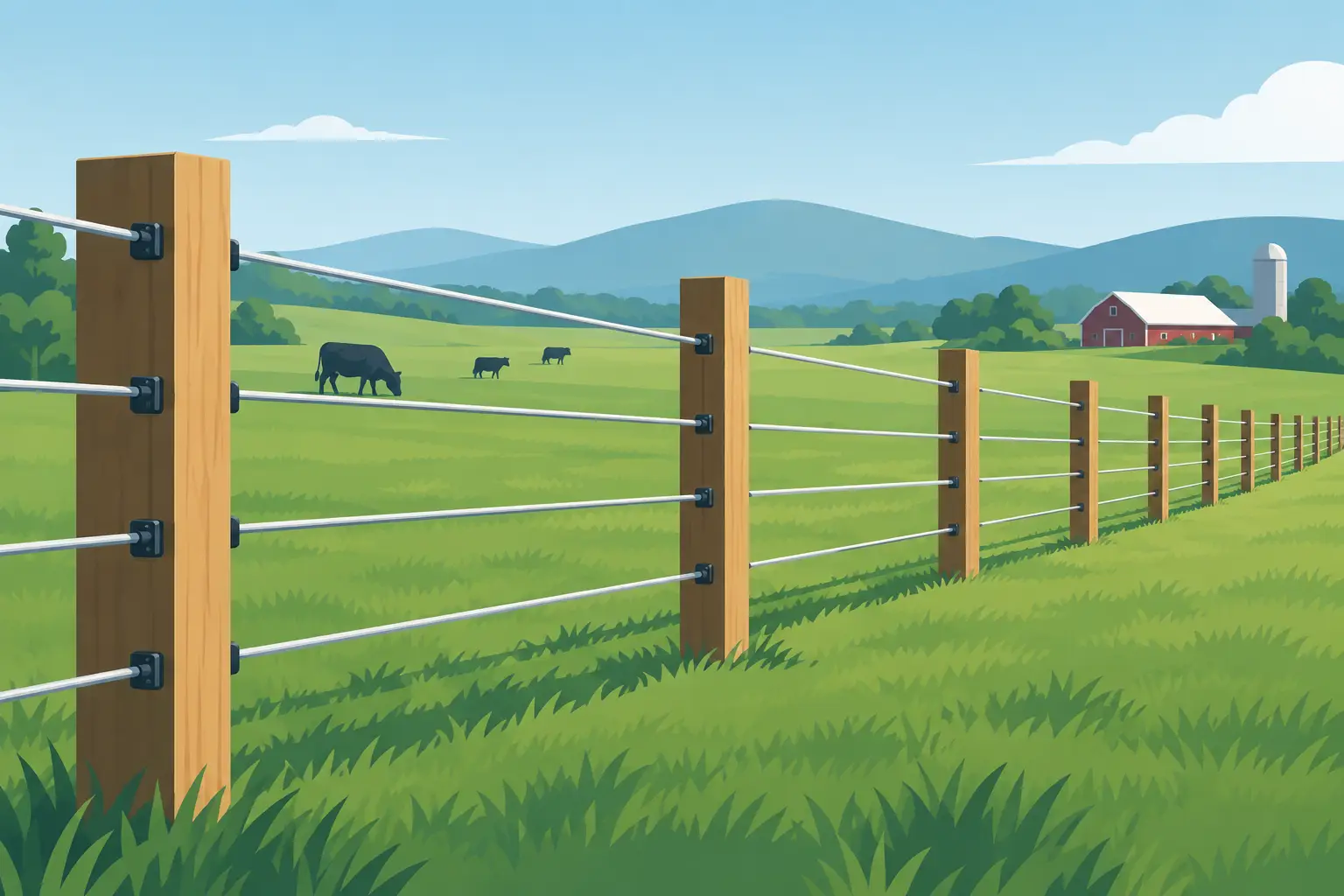
Agricultural Fence for Acreage That Holds Up

A few acres can look simple from the road. Then you walk the property, find a low spot that holds spring runoff, a slope with rocky soil, an old gate opening, and a corner that needs to keep a horse, goats, dogs, or equipment where it belongs. An agricultural fence for acreage has to do more than mark a line. It needs to work with the land, stand up to Colorado weather, and make daily life easier.
The right fence is rarely the cheapest material stretched around the perimeter. It is the system that matches what you are containing, what may push against it, how often you need access, and how much maintenance you can reasonably handle. Getting those decisions right before posts go in can prevent expensive changes later.
Start With the Job Your Fence Must Do
“Agricultural” covers a lot of ground. A fence for a few backyard chickens is not built the same way as a perimeter fence for cattle, a horse paddock near the house, or an acreage boundary meant to keep pets in and unwanted traffic out. Material matters, but the fence’s purpose should lead the decision.
For livestock, safety and containment come first. Horses need highly visible fencing with smooth surfaces and appropriate spacing to reduce the chance of injury. Cattle may require stronger line posts, well-braced corners, and wire selected for the pressure they put on a fence. Goats are expert testers of openings and weak spots, so tighter mesh and careful gate details often make more sense than widely spaced wire.
If your main goal is defining a property line, keeping dogs safe, or separating a home site from pasture, you may have more flexibility. Split rail with wire mesh can preserve an open rural look while improving pet containment. Chain-link can be practical around a smaller secure area. Wood, ornamental metal, or vinyl may fit closer to the home where appearance and privacy matter as much as function.
One property can need several fence types. That is often the best answer, not a compromise. A durable livestock perimeter, a secure dog run, and a more finished fence around the yard can each do their job without forcing one material to handle every need.
Plan the Agricultural Fence for Acreage Before You Buy Materials
Fence footage is only one part of the project. On acreage, corners, terrain changes, gates, and utility access can have just as much effect on the final scope. A straight run across level ground installs very differently than a line that crosses a drainage swale, follows a hillside, or moves through hard-packed soil.
Walk the proposed fence line and look for the practical issues first. Identify property pins if they are known, existing easements, underground utilities, irrigation lines, ditches, and places where water naturally travels. A fence set directly in a drainage path can collect debris, strain wire, or create erosion trouble after a hard storm.
Think through access while the property is open. Will a truck and trailer need to pass through? Do you need room for a tractor, mower, snow removal, or hay delivery? A gate that works for a pickup may be too narrow for equipment. It is usually far easier to install the right gate width at the beginning than to rebuild an entrance after the fence is complete.
Corners deserve special attention. They carry the tension of long wire runs and need solid bracing, not just another post in the ground. Strong corner assemblies and properly set end posts help the rest of the fence stay straight over time. When a perimeter starts leaning or sagging, the issue often began at a corner, end, or gate post.
Choose Materials for Animals, Exposure, and Maintenance
There is no single best fencing material for every Colorado acreage. The useful question is what will hold up for your animals, land use, and maintenance expectations.
Woven wire and field fence
Woven wire is a practical choice for many livestock and property-boundary applications. It creates a physical barrier, works well on long runs, and can be paired with wood posts, steel posts, or stronger braced assemblies at key points. Mesh size and fence height should be selected for the animals involved. Smaller openings are helpful for goats and smaller animals, while larger livestock may call for a different configuration.
Wire fences need proper tension and strong support. Over-tensioning can make a system vulnerable when trees, snow, or animals create pressure. Under-tensioning leaves a fence loose from day one. Good installation is about balance, with enough strength to perform without treating every changing section of ground like a perfectly level line.
Split rail with wire mesh
For rural homes and visible frontages, split rail offers a classic Colorado look. By itself, it is better at defining space than containing smaller pets or livestock. Adding welded or woven wire mesh can make it far more useful for dogs and certain animals while keeping the open appearance many acreage owners want.
The trade-off is that wood is exposed to sun, moisture, and seasonal movement. Quality construction, sound post setting, and realistic maintenance expectations matter. Split rail is often best where looks and light-duty containment meet, rather than where heavy livestock pressure is expected.
High-tensile and electric fencing
High-tensile wire and electric fencing can be efficient for large areas, rotational grazing, or interior pasture divisions. These systems can use fewer materials than some traditional fences, but they depend on correct design and ongoing attention. A poor ground system, vegetation touching the line, loose connections, or a damaged charger can turn an effective fence into an unreliable one.
Electric fencing is often most effective as part of a broader plan. It can reinforce a physical fence, divide pasture, and teach animals to respect a boundary. It is not the right standalone solution for every location, especially where a visible, physical barrier is needed for public-facing areas or pet safety.
Pipe and rail fencing
Pipe fencing brings strength, visibility, and a clean finished appearance, particularly around horse properties, drive entrances, and high-use corrals. It is a serious investment, but it can make sense where animals regularly lean, rub, or put pressure on the fence. It can also be combined with wire for better containment.
The added cost is not only in the material. Site access, welding needs, layout, and finishing all affect the project. On a large perimeter, pipe may be best reserved for key areas rather than every fence line.
Colorado Ground and Weather Change the Installation
Northern Colorado and Front Range properties can shift quickly from open plains to rocky ground, clay soil, slopes, and wind-exposed sites. Frost movement, dry summers, heavy rain, and freeze-thaw cycles all put stress on posts and gates. A fence that looks straight at installation should be built with those seasons in mind.
Post depth and setting method depend on soil conditions, fence height, line tension, and the load each post will carry. Gate posts and corner posts need more support than a standard line post. On challenging ground, the crew may need to adjust spacing, use different equipment, or change the layout slightly to keep the finished fence solid and functional.
Wind is another factor that gets overlooked. Open wire fence allows air through, while solid privacy panels catch it. That is one reason acreage fencing often combines materials instead of using one style everywhere. The fence near the home can provide privacy, while pasture and boundary sections stay open, practical, and easier to manage.
Gates Are Where Convenience Meets Security
A gate is used more than any other part of an agricultural fence. If it drags, sags, latches poorly, or opens the wrong direction, you will feel it every day. Plan gates around how the property actually operates, not just where there happens to be an opening.
Consider who uses the gate, what they are driving, and whether they need to open it from a vehicle. A walk-through gate can be helpful near the house, while a wider double gate may be needed for trailers or equipment. On livestock areas, latches should be secure enough that animals cannot work them loose. On family properties, gates should also help keep children and pets away from roads, driveways, ponds, or animal areas.
Good gate installation begins with properly supported posts. A heavy gate hung on undersized or poorly set posts will eventually sag, even if the gate itself is well made. This is one place where doing the job right at the start saves repeated repairs later.
Build for the Property You Have, Not the One on Paper
Online fence calculators can be useful for an early budget, but acreage projects benefit from an on-site look. The exact fence line, grade changes, access points, animal needs, and soil conditions all affect the right design and cost. Fair pricing means accounting for those realities clearly, not surprising you after work begins.
For property owners in Fort Collins and surrounding Colorado communities, a local contractor with field experience can help sort through those details before installation. AR Fencing approaches acreage work with the same goal we bring to every project: build a boundary that protects the people, pets, animals, and daily routines that matter on your property.
A well-planned fence gives your land structure without making it feel closed in. Take time to walk the line, picture every gate in use, and choose a system that will still make sense after the next hard wind, muddy spring, and busy weekend outside.
Comments